No matter which way you spell it, Mid-Century Modern (MCM) design reflects an important part of history. But what is it, and why was it so popular then and now?
Middle century focus
MCM accounts for several decades of the middle 20th Century – hence the MC part. The design period extends from 1945 to the late 1960s/early 1970s. But if you were around during those two-plus decades, you didn’t realize you were in the Mid-Century Modern movement. The MCM term wasn’t coined until the 1980s when Cara Greenberg published Mid-Century Modern: Furniture of the 1950s. The book celebrated the sleek lines, industrial qualities, and natural materials of furniture found in homes all across the county.
Modern design details
The characteristics Greenberg focused on in her book are also the features of the Modern portion of MCM. This is what truly distinguishes the architecture, furniture, and accessories of Mid-Century Modern from other design styles during the same period.
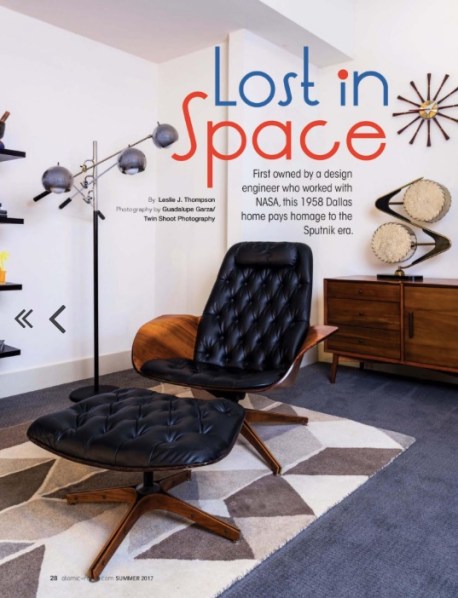
- Simpler is better – The designers and architects at the time made a sharp turn away from the frilly and intricate designs of previous decades. They focused on functionality, simple shapes, and clean lines. By doing so, the movement took on a futuristic, modern look.
- Bold in so may ways – The post-WWII boom was quickly followed by the Space Age. Both had a major impact on the way Americans lived. New materials, like plastics, were incorporated into everyday objects. Bold color choices also dominated the home. Teals, pinks, yellows, and other vibrant hues made their way onto the walls and into fabrics.
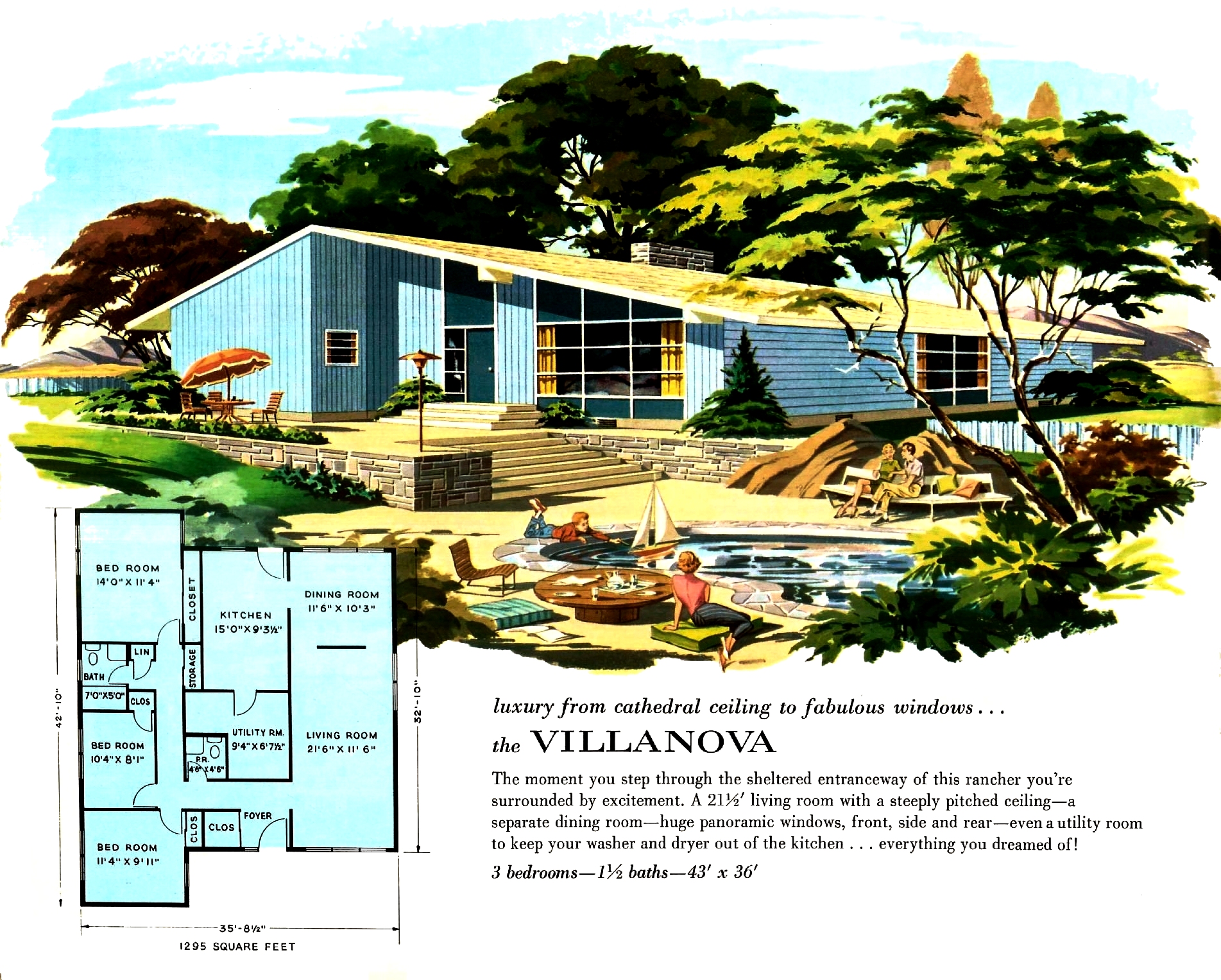
- A nod to nature – While many had an eye toward space, designers didn’t forget about the world around them. Large expanses of windows, vaulted ceilings, and the use of wood all brought nature into the house. Those modern aspects were light, airy, clean, and simple.
The popularity continues
Even though it’s been over 50 years since the Mid-Century Modern era came to an end, it is still celebrated and emulated today. Original pieces are in hot demand and fetch often steep prices. Existing companies are incorporating MCM designs into their existing lines – think Target with their Project 62. While others, like Joybird, are building whole new companies around the MCM movement. All of this a testament to the aspects that made modern design at the time, and it’s why we continue to seek it out today.
I love the Mid-Century Modern movement so much I started this blog. What do you think about MCM? Leave a comment below. I’d love to hear your thoughts.

 Mid Mod Suburban
I love the dropped floors, pitched ceilings and panoramic windows of MCM homes. Great article!
Thanks, Mandy! I agree. Those are all great features. One of the things I love about our house is the sunken living room.
Great piece!
Thanks, Stacy!
Greetings, Mr. Sommerfeld. I would like to know what shaped and influenced you as a person that led you to this particular aesthetic. Do tell.
Rebecca, I’ve always loved architecture and design, and there’s something about the Mid-Century Modern aesthetic that I’m drawn to. I love the connection to nature, the bold lines, and colors. Throughout my childhood and adulthood I’ve tried to tap into my creative and artistic side. I think that also has led me to MCM. Here’s some more info: https://midmodsuburban.com/about/
I hope you enjoy the blog!